English
  Español
  português
  Ελλάδα
  Malay
Malay  Nederland
Jul 10, 2026

In the high-pressure environment of a maritime vessel, clear communication is the difference between an orderly evacuation and total chaos. When an emergency strikes, verbal instructions often fail due to noise, panic, or language barriers among international crews. In these critical moments, the silent guides of the ship take over: marine safety signs.
Standardized by the International Maritime Organization (IMO) and governed by the SOLAS (Safety of Life at Sea) convention, these signs provide instant, non-verbal instructions to every soul on board. Understanding the categories, placement, and technical requirements of these symbols is a fundamental pillar of maritime safety management.
One of the most significant challenges in modern shipping is the multinational nature of seafaring. A single vessel may have a crew speaking four or five different languages. In an emergency, text-based signs are insufficient. This is why the maritime industry relies on a color-coded, symbol-based system that is recognized globally.
The psychology of color plays a vital role here:
Green (Emergency/Life-saving): These signs indicate safe exits, assembly stations, and the location of life-saving appliances like lifeboats and lifebuoys.
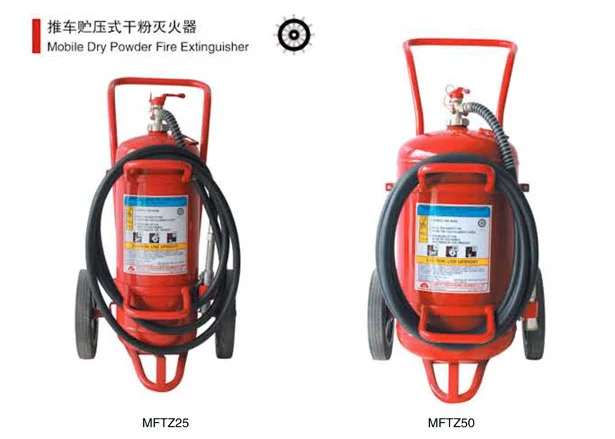
Red (Fire-fighting): These identify the location of fire extinguishers, hydrants, and fire-control plans.
Yellow (Warning): These alert the crew to potential hazards, such as high voltage or slippery surface.
Blue (Mandatory Action): These instruct personnel to perform a specific task, such as wear lifejackets or eye protection must be worn.
A ship’s emergency often involves a loss of power. In a pitch-black, smoke-filled corridor, standard signs become invisible. To combat this, international regulations require the use of photoluminescent (glow-in-the-dark) materials. These signs absorb ambient light during normal operations and emit a bright glow when the lights go out, guiding the way to safety.
This is where the quality of the signs becomes a life-saving factor. High-grade photoluminescent signs must remain visible for hours and resist the degrading effects of salt air, UV radiation, and moisture. Matchau’s range of IMO symbols and safety signs is specifically engineered to meet these rigorous demands. Their products are designed in accordance with IMO Resolution, ensuring that they remain highly visible even in the harshest marine conditions. Whether it’s an evacuation route or a fire equipment marker, Matchau provides durable, compliant signage that withstands the test of time and elements.
These are the most critical signs for passengers and crew during an abandon ship scenario. They mark the location of lifejackets, immersion suits, and the path to the muster station. Without clear LSA symbols, people can easily become disoriented in the complex interior of a large vessel.
In the event of a fire, every second counts. Fire-fighting signs allow the crew to locate extinguishers, fire hoses, and Emergency Escape Breathing Devices (EEBDs) instantly. These signs are often paired with a "Fire Control Plan" posted at the ship’s entrance to help shore-based firefighters understand the ship's layout.
Often referred to as Low Location Lighting (LLL) systems, these signs are placed near the deck level. Since smoke rises, signs at eye level may be obscured during a fire. LLL systems ensure that survivors crawling beneath the smoke can still find the exit.
The Ultimate Guide to Safety Signs on Ships emphasizes that the effectiveness of a sign is entirely dependent on its placement. Signs should be:
Visible from all angles: They must not be obstructed by doors, cargo, or equipment.
Placed at strategic decision points: For example, at every junction in a corridor or at the top and bottom of every ladder.
Continuously maintained: Maritime environments are incredibly corrosive. Signs can fade, peel, or lose their photoluminescent properties over time.
Regular safety audits are required to ensure that no signs are missing or damaged. When replacing faded or non-compliant markers, it is essential to use high-quality materials.
While the technical specifications of marine safety signs are important, their presence also serves a psychological purpose. A vessel that is clearly and professionally marked with high-quality signage sends a message to the crew and passengers that safety is a top priority. It fosters a Safety First culture where everyone knows exactly where to go and what to do in a crisis.
Marine safety signs are far more than just stickers on a wall; they are a critical infrastructure that bridges the gap between chaos and survival. By adhering to IMO standards and utilizing premium-grade products like those from Matchau, shipowners can ensure that their vessels are prepared for any emergency. In the vast, unpredictable ocean, these symbols remain the constant, silent guides that lead the way home. In an emergency, you won’t have time to think, you will only have time to follow the signs. Make sure they are the right ones.