English
  Español
  português
  Ελλάδα
  Malay
Malay  Nederland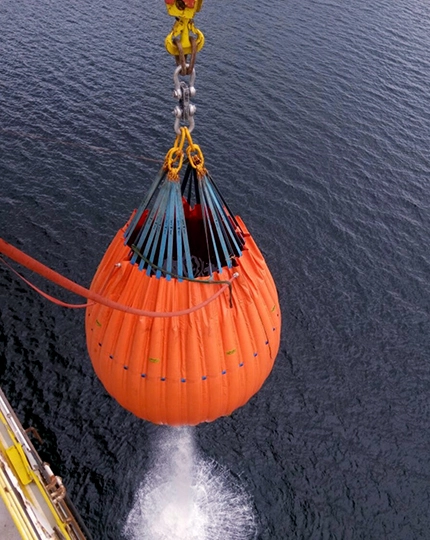
Sep 06, 2023

The SOLAS Convention defines minimum safety standards for ships worldwide. For lifeboats, compliance is not optional—it directly affects:
- Vessel certification
- Port State Control (PSC) inspection outcomes
- Crew survival in real emergencies
Non-compliance can result in detention, fines, or operational shutdown.
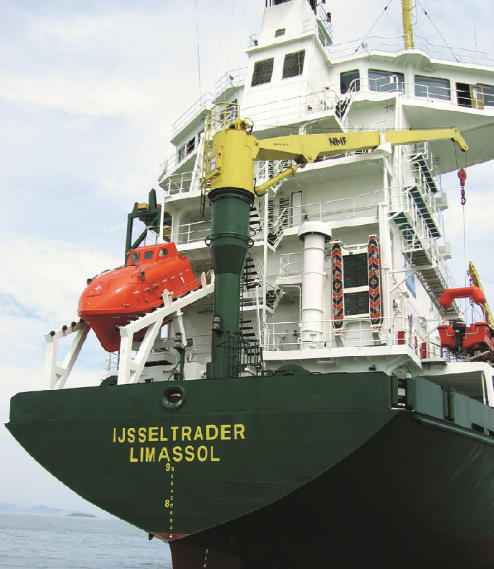
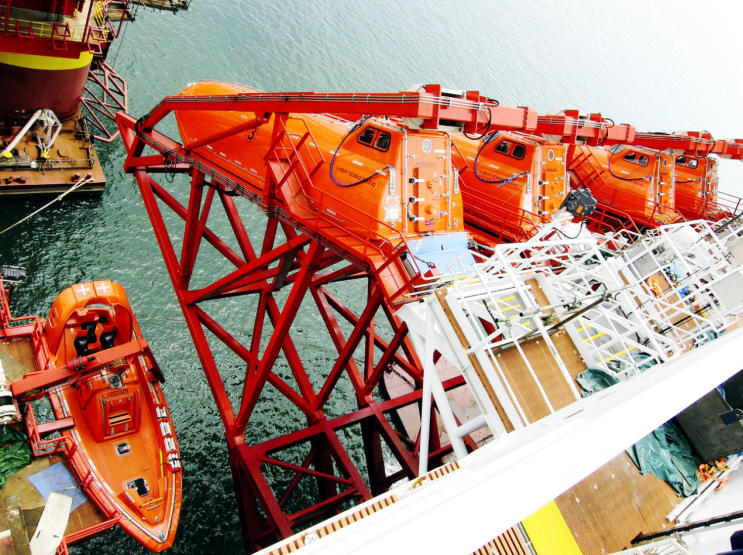
SOLAS requires:
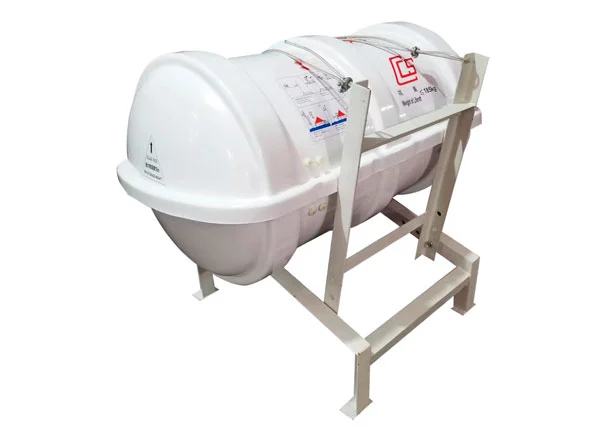
- Sufficient lifeboat capacity for 100% of persons onboard
- Additional liferaft capacity as backup
- Lifeboats positioned for safe and rapid launching
Typical configurations:
- Cargo ships: lifeboats on both sides
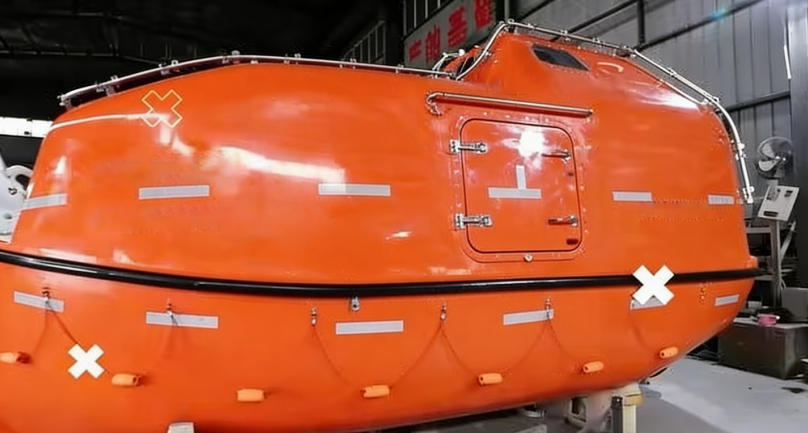
- Tankers/offshore: often equipped with free-fall lifeboats
Key point: Capacity is calculated based on maximum persons onboard, not average crew.
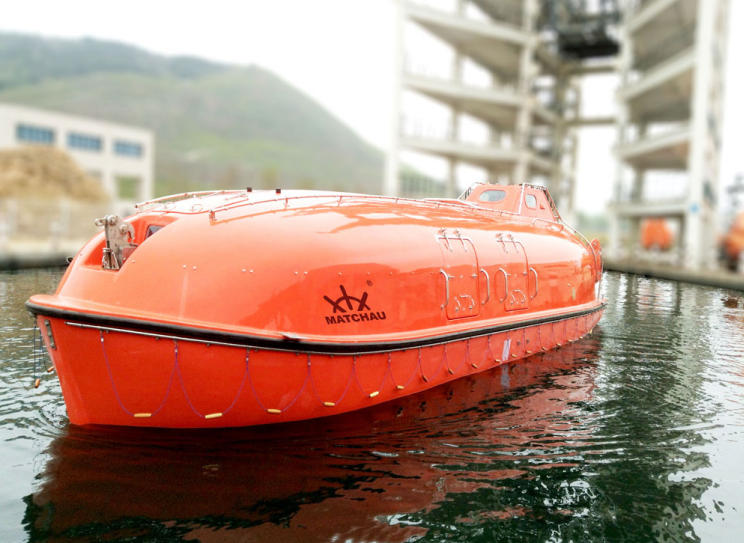
According to International Maritime Organization standards, lifeboats must be:
- Fully or partially enclosed (depending on vessel type)
- Fire-protected (for tankers and offshore units)
- Capable of operating in harsh marine environments
- Equipped with self-righting capability (for enclosed types)
Materials and structure must withstand:
- Impact loads
- Extreme weather
- Long-term marine corrosion
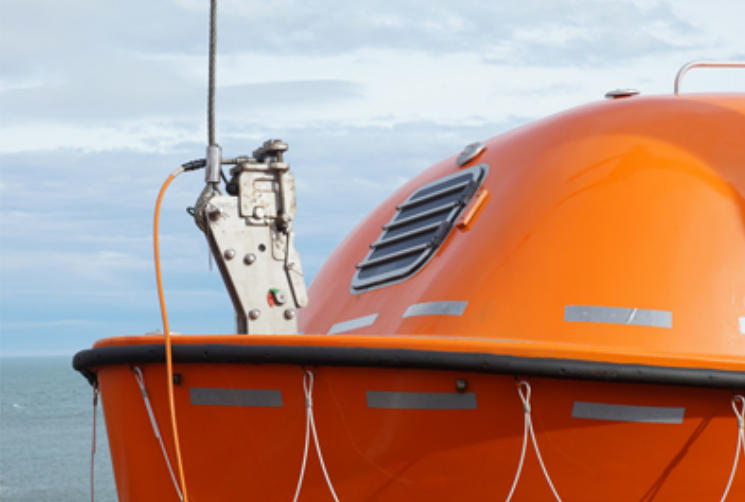
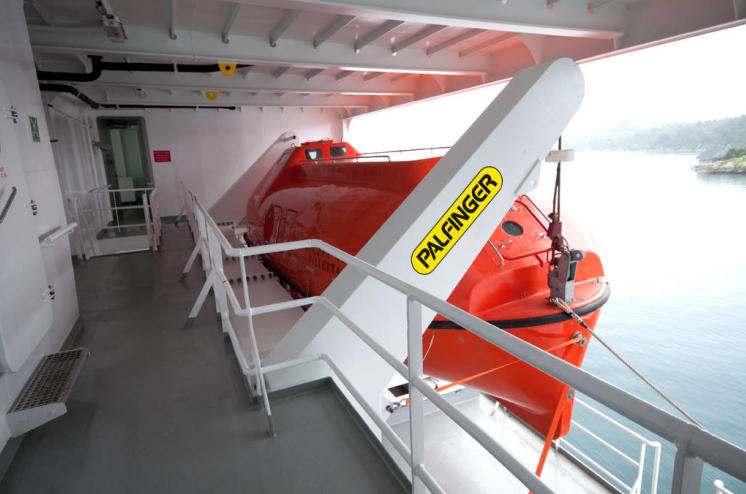
SOLAS mandates:
- Lifeboats must be launched quickly and safely under all conditions
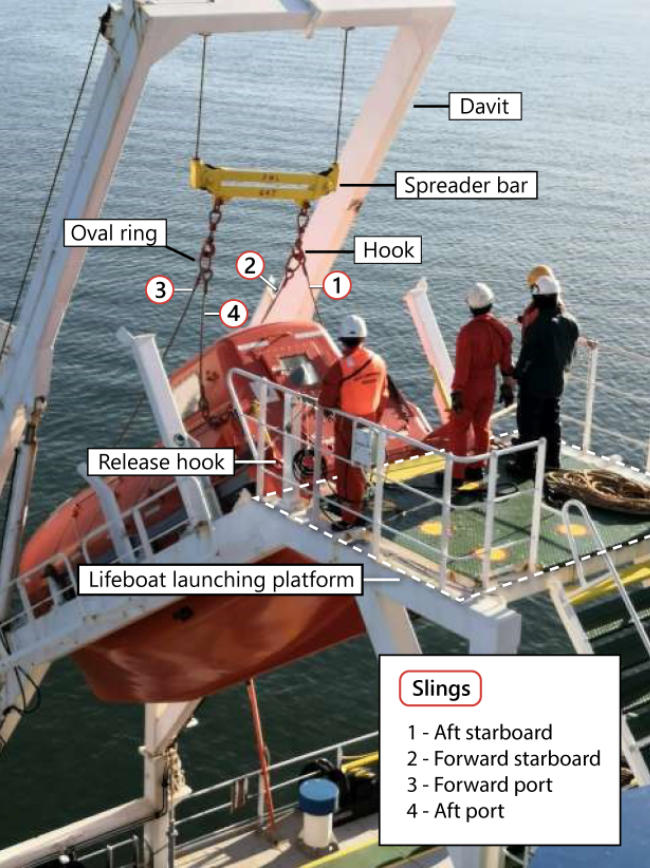
- Davit systems must support fully loaded lifeboat weight
- Release mechanisms must be fail-safe and tested
Critical elements:
- Winch braking system
- Wire rope condition
- Hook release system
Compliance focus: Safe launching even with trim and list conditions.
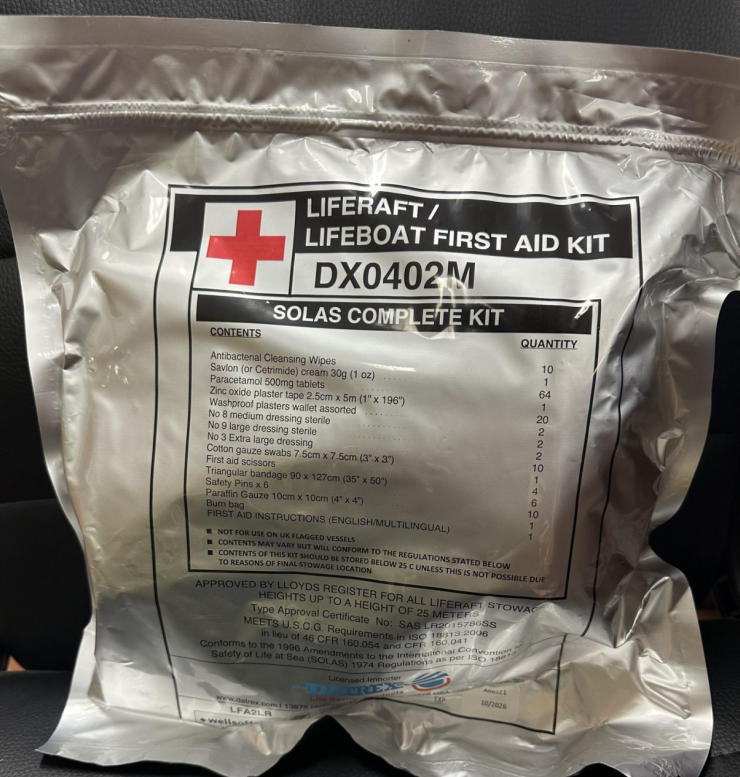
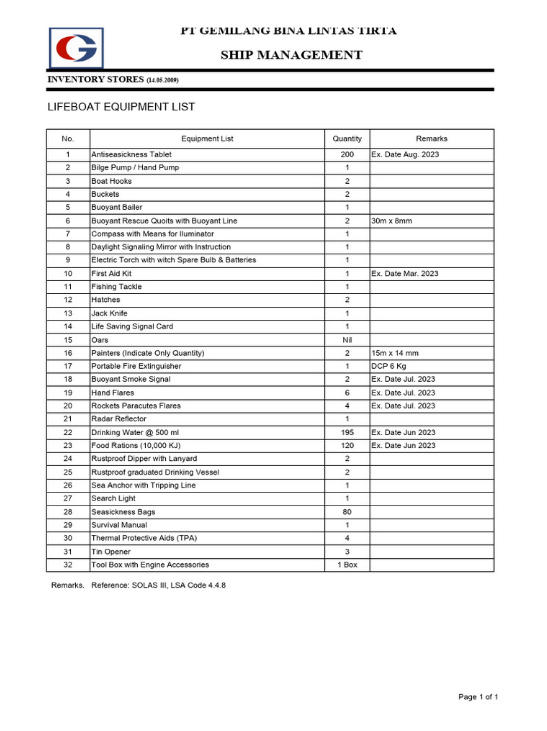
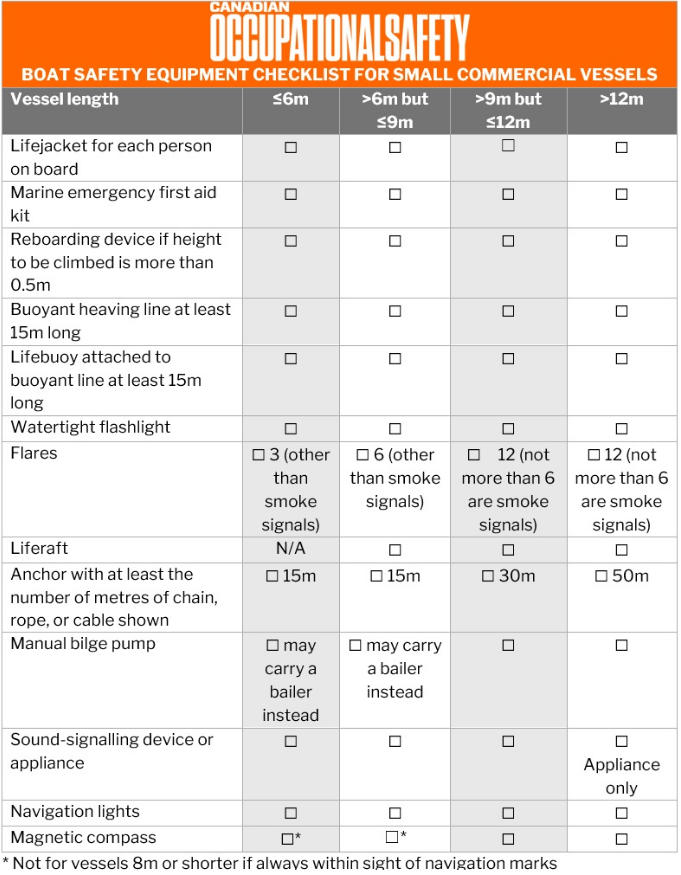
Each lifeboat must carry a full set of survival equipment, including:
- Drinking water and food rations
- Pyrotechnics (flares, smoke signals)
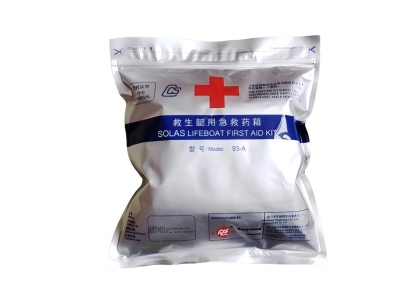
- First aid kit
- Thermal protective aids
- Navigation tools (compass)
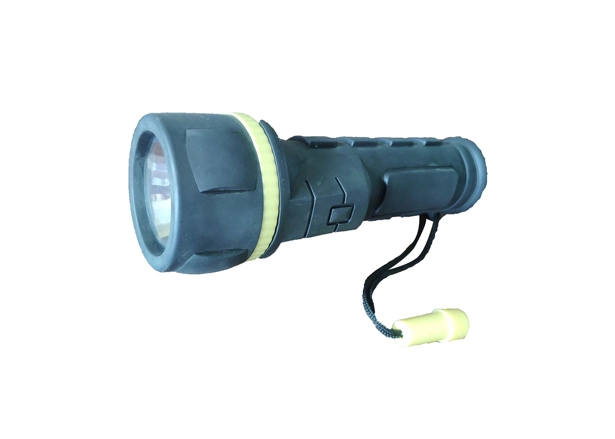
- Communication devices
Important: All items must be valid, functional, and regularly inspected.
SOLAS requires regular testing and servicing:
- Weekly and monthly inspections
- Engine test runs
- Annual thorough examinations
- Periodic load testing of davit systems
Testing ensures:
- Operational readiness
- Compliance with classification societies (e.g., DNV, ABS
Compliance is not only about equipment:
- Crew must be trained in lifeboat operation
- Regular abandon-ship drills required
- Launch procedures must be practiced
PSC inspectors often verify:
Not just equipment condition—but whether crew can actually use it.
To remain compliant, shipowners must maintain:
- Valid equipment certificates
- Maintenance and inspection records
- Manufacturer documentation
- Class and flag approvals
Missing or outdated documentation is a common reason for PSC deficiencies.
Common Compliance Gaps
Typical issues found during inspections:
- Expired pyrotechnics
- Corroded davit components
- Improperly reset release hooks
- Incomplete maintenance logs
Practical Insight: What Compliance Really Means
SOLAS compliance is not just about passing inspection. It ensures:
- Equipment works under real emergency conditions
- Crew can respond without hesitation
- Risk to life is minimized
A compliant system is one that is fully operational, not just certified.
Understanding SOLAS lifeboat requirements helps shipowners:
- Avoid regulatory penalties
- Improve onboard safety
- Ensure operational continuity
Compliance should be treated as an ongoing system, not a one-time task.
If you require SOLAS-compliant lifeboats, davit systems, or testing solutions, Matchau Safety offers:
- Certified marine safety equipment
- Support for inspection and compliance
- Reliable global delivery
Build a system that is not only compliant—but trusted in real emergencies.