English
  Español
  português
  Ελλάδα
  Malay
Malay  Nederland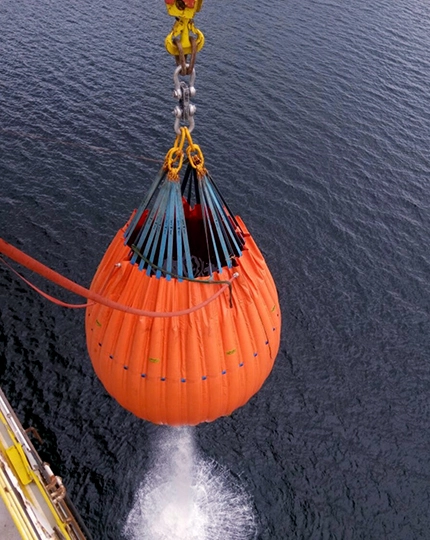
Aug 14, 2025

In an emergency, a lifeboat is not a backup—it is the last line of survival. Many failures during drills or real incidents are not caused by design flaws, but by missed inspection details. For shipowners and operators, a structured checklist reduces risk, ensures compliance, and prevents costly PSC detentions.
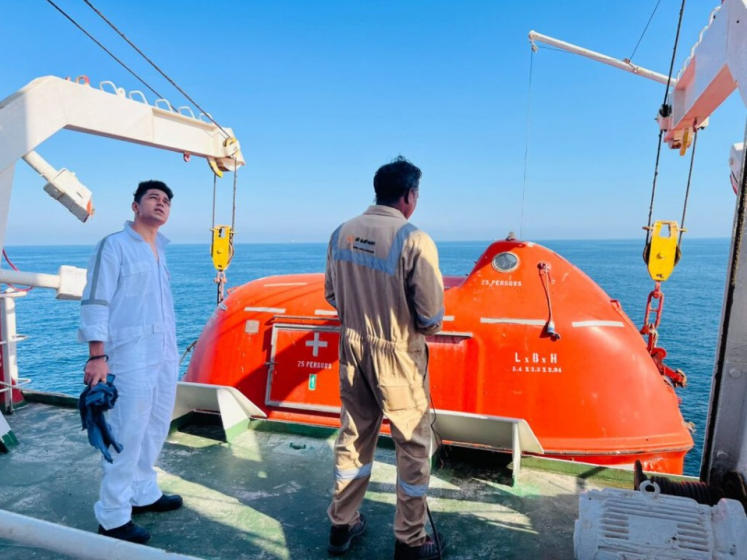
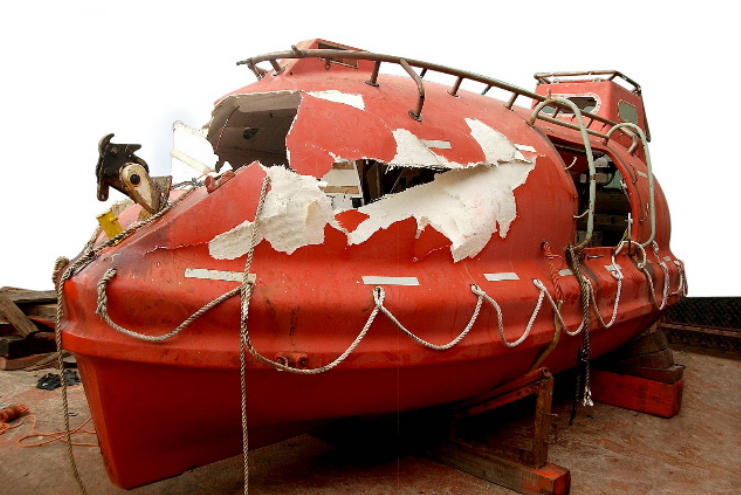
Verify the physical condition of the lifeboat:
- Hull: no cracks, deformation, or impact damage
- Canopy: intact, properly sealed
- Doors & hatches: open/close smoothly, watertight
- Windows: clear, no leakage
Common issue: Micro-cracks in fiberglass hulls that expand under load.
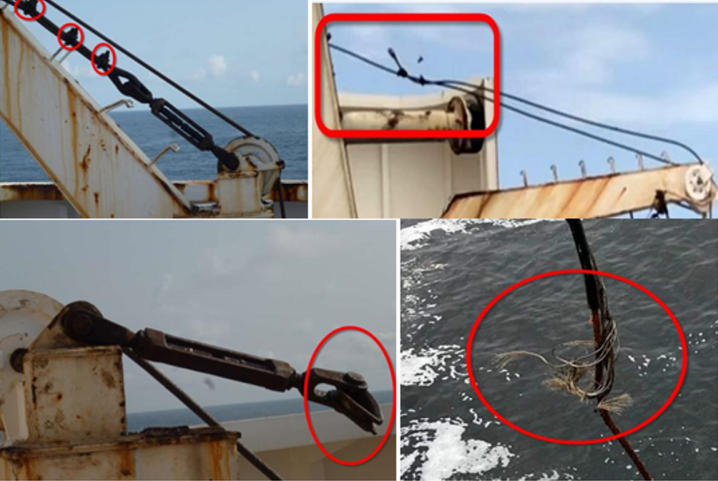
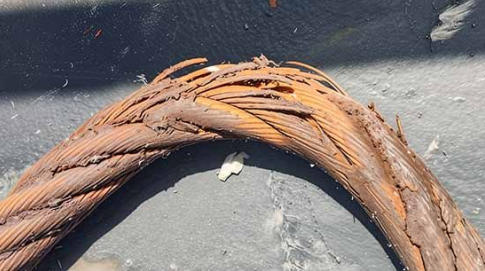
The launching system is often the weakest link.
Checklist:
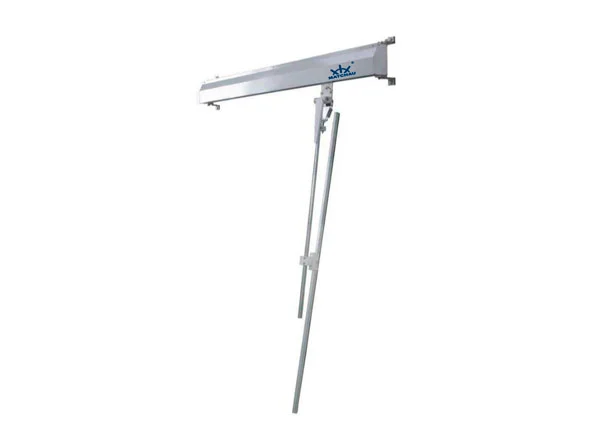
- Davit arms: no corrosion or misalignment
- Wire ropes: no fraying, proper tension
- Winch system: smooth operation, brake tested
- Release hooks: reset correctly and function tested
Critical risk: Hook release failure under load—one of the leading causes of lifeboat accidents.
A lifeboat that cannot move is a fatal liability.
Check:
- Engine starts within required time
- Fuel level sufficient and uncontaminated
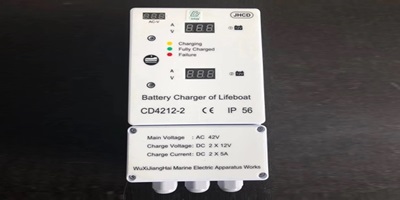
- Battery charged and connections secure
- Propeller free from obstruction
Tip: Always test under real conditions, not just idle start.
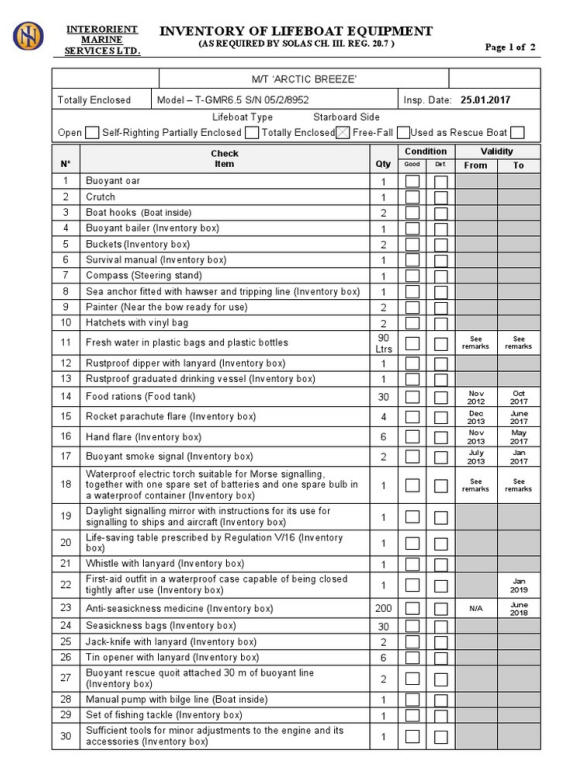
According to International Maritime Organization standards, lifeboats must carry complete survival equipment.
Verify:
- Food rations & drinking water (valid, not expired)
- Flares and signaling devices
- First aid kit
- Thermal protective aids
- Compass and communication tools
Common failure: Expired flares during inspection.
Load testing ensures the system works under real stress:
- Perform periodic load tests using certified weights
- Simulate full-capacity deployment
- Check stability and lowering speed
Relevant under SOLAS Convention requirements.
- Steering system responsive
- Emergency stop functional
- Lighting system operational
- Bilge pump working
Inspection is incomplete without proper records:
- Maintenance logs updated
- Certificates valid
- Previous inspection reports available
- Compliance with flag state and class requirements
- Treating inspection as a formality
- Skipping load testing due to operational pressure
- Ignoring minor corrosion or wear
- Using non-certified replacement parts
During PSC inspections, officers focus on:
- Actual operability (not just appearance)
- Crew familiarity with launching procedures
- Valid certification and traceability
A lifeboat that “looks fine” but fails a launch test can lead to detention or fines.
A lifeboat inspection is not a checklist exercise—it is a risk control system.
By verifying structure, launching system, propulsion, equipment, and compliance, shipowners can ensure readiness when it matters most.
If you need SOLAS-compliant lifeboats, davit systems, or load testing solutions, Matchau Safety provides:
- Certified marine safety equipment
- Full inspection support
- Global delivery for shipowners and offshore operators
Ensure your equipment is not just installed—but ready when needed.