English
  Español
  português
  Ελλάδα
  Malay
Malay  Nederland

Mar 08, 2025

Radar reflector buoys play a critical role in enhancing marine safety and navigation for offshore operations. These devices are specifically designed to improve the visibility of floating structures, vessels, and safety equipment on radar systems, ensuring that maritime traffic can detect them from considerable distances. By reflecting radar signals, radar reflector buoys significantly reduce the risk of collisions and enhance situational awareness for ships navigating busy or hazardous waters. Their durable construction allows them to withstand harsh offshore conditions, making them a reliable solution for continuous maritime monitoring.
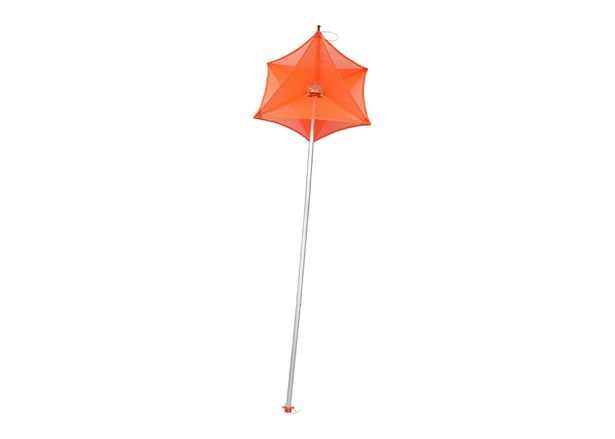
Radar reflector buoy is an essential tool for offshore safety management. In operations involving oil rigs, wind farms, or floating platforms, it serves as a visible marker that radar systems can easily identify. Its presence ensures that vessels maintain a safe distance, reducing the likelihood of accidents near critical installations. The high-visibility design combined with radar reflection capabilities allows for accurate positioning in diverse weather conditions, including fog, rain, or rough seas. This enhanced detection capability supports both commercial shipping and emergency response, making radar reflector buoys indispensable in modern offshore operations.
Radar reflector buoys improve navigation by providing consistent and reliable radar signatures that can be detected over long distances. This functionality is particularly valuable in areas where natural landmarks are sparse or in open sea operations. Ships equipped with radar can quickly identify these buoys, accurately charting courses and avoiding potential hazards. The precise placement of radar reflector buoys along shipping lanes, near moorings, and around offshore infrastructure ensures that navigation remains safe and efficient, even under challenging conditions. By improving the ability to detect floating objects, these buoys contribute directly to the prevention of maritime accidents and operational disruptions.
Beyond enhancing navigation, radar reflector buoys are utilized in various offshore applications such as marking the boundaries of exclusion zones, identifying safe anchoring points, and supporting search and rescue operations. They are also employed to indicate underwater hazards or submerged equipment, ensuring that vessels can maneuver safely around these areas. Their versatility extends to temporary deployments during offshore construction projects or environmental monitoring missions, where real-time visibility of floating equipment is essential. This broad range of applications highlights the integral role that radar reflector buoys play in maintaining operational efficiency and safety in offshore environments.
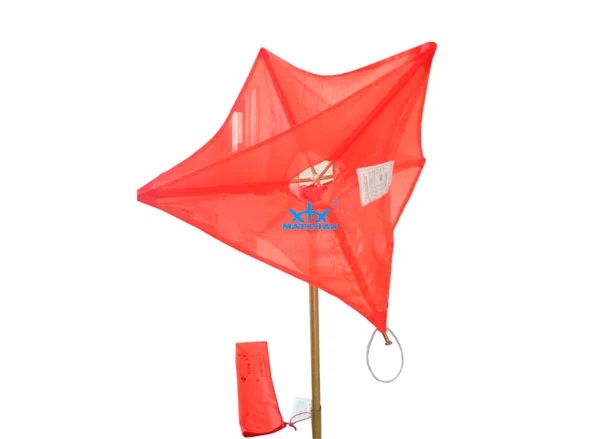
Radar reflector buoys are invaluable during emergency situations at sea. In case of an incident, they can mark the location of life rafts, rescue boats, or other safety equipment, allowing rescue teams to quickly locate and reach individuals in need. The reflective design ensures that even in low-visibility conditions, these safety assets are identifiable on radar screens, facilitating prompt and coordinated emergency responses. Their deployment is crucial in offshore areas where immediate visual identification is challenging, providing a reliable solution to support maritime search and rescue operations.
The integration of radar reflector buoys into offshore operations enhances both safety and operational efficiency. By strategically positioning these buoys around platforms, navigation channels, and hazard zones, offshore operators can maintain a high level of situational awareness. The buoys serve not only as navigational aids but also as markers for operational boundaries, helping vessels and personnel navigate complex offshore environments safely. Continuous use of radar reflector buoys ensures ongoing protection against collisions and improves coordination between multiple offshore activities, highlighting their indispensable role in modern maritime safety practices.