English
  Español
  português
  Ελλάδα
  Malay
Malay  Nederland
Mar 06, 2026

Maintaining inflatable life rafts is crucial for ensuring the safety of passengers in maritime emergencies. These essential pieces of marine safety equipment require regular upkeep to remain reliable. Understanding the maintenance routines, including inspection, inflation testing, proper storage techniques, repair guidelines, and expiration checks, is vital. This comprehensive guide provides valuable insights into maintaining your life-saving equipment effectively, ensuring readiness when needed. Whether you're a private boater, a commercial vessel operator, or involved in marine safety, these tips aim to enhance your preparedness and the functionality of your equipment.
Regular inspection is the cornerstone of inflatable life raft maintenance. Pre-emptively identifying potential issues can prevent failure in critical situations. Begin with a visual examination for any obvious damage or wear on the fabric, seams, and fittings. Ensure that all components, such as the hydrostatic release unit and davit crane attachment points, are in good working order. Examine your raft's manual for any specific inspection protocols recommended by the life jacket manufacturers.
Inspection Item | What to Look For | Actio Required |
Fabric | Tears, holes, or abrasions | Repair or replace |
Seams | Loose stitching, weakened binding | Re-stitch or reinforce |
Fittings | Corrosion, functionality of clips | Clean or replace |
Release Unit | Rust, activation mechanism | Service or replace |
Performing regular inflation tests is essential to verify the integrity of your inflatable life raft. This testing ensures that the raft deploys correctly and holds air. Inflate the raft until it is firm and monitor it over a 24-hour period to check for pressure loss. Inspections should include evaluating the condition of the CO2 fire cylinder, a component critical for rapid inflation.
Any loss of pressure might indicate a leak, which requires immediate attention. Familiarize yourself with your raft's valve systems, as proper functioning is crucial for maintaining buoyancy. Consider professional maintenance companies who specialize in servicing marine equipment for complex tests and repairs.
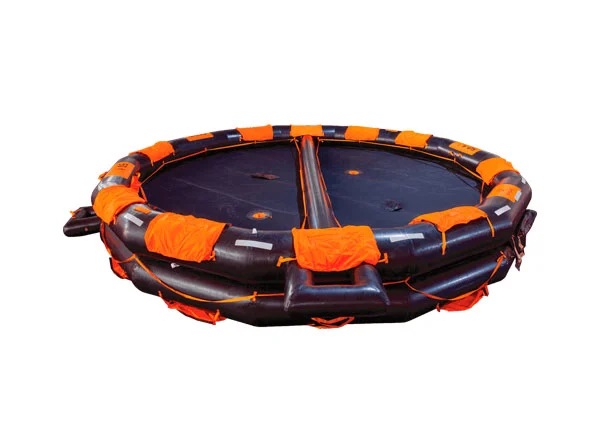
Proper storage is key to prolonging the life and reliability of your inflatable life raft. Store the raft in a dry, cool place away from direct sunlight and harsh weather conditions. Exposure to UV rays and extreme temperatures can degrade materials and components, affecting performance. Keep it in a weather-resistant container or bag, shielding it from contaminants like salt, oil, and fuel, which can cause material breakdown.
During storage, ensure the raft is not compressed as this can damage fabric fibers and seams. Alternatively, hanging the raft can prevent such wear. A consistent storage environment is crucial for maintaining the raft's operational integrity over time.
No matter how well-maintained, repairs may become necessary. Small punctures or abrasions can be resolved through patching kits provided by life jacket manufacturers. These kits generally include patches, adhesive, and application instructions tailored for the material of your raft. Follow the manufacturer's guide strictly for optimal results.
For severe damage, such as issues with seam integrity or the function of necessary components like the marine compass for navigation aids, it is advisable to seek professional repair services. These experts possess the tools and knowledge to restore your raft to safety standards that ensure reliable performance during maritime operations.
Just like fire helmets for sale or custom fire axes, inflatable life rafts have specific expiration dates indicating when they may no longer reliably function. These dates are established based on the materials used, expected wear, and environmental conditions the raft might encounter over time.
You should regularly check these dates and plan for replacement or significant servicing when approaching expiration. The operational lifetime can also be affected by frequency of use and storage conditions. Maintaining a logbook for your raft, including purchase date, inspections, repairs, and expiration, can help manage your marine safety equipment effectively.
The maintenance of inflatable life rafts is not merely a compliance issue but a pivotal safety concern, ensuring readiness in emergencies. Regular inspections, rigorously conducted inflation tests, proper storage practices, timely repairs, and keeping track of expiration dates are all essential steps in maintaining this critical emergency escape equipment. With the right care, these rafts remain reliable tools in safeguarding lives, whether used alongside a lifeboat for sale or integrated into larger marine safety systems. Nurturing your knowledge about these protocols not only amplifies safety but also extends the lifecycle of these life-saving tools.
.jpg "Rigid Life Rafts and Their Impact on Swift and Safe Rescues")