English
  Español
  português
  Ελλάδα
  Malay
Malay  Nederland
Apr 09, 2026

Fire safety is a critical aspect of maritime operations. Ships operate in isolated environments where even a small fire can quickly develop into a serious emergency. To protect crew members, passengers, cargo, and vessel assets, ships are equipped with various types of marine fire fighting equipment designed to detect, control, and extinguish fires effectively.
From portable extinguishers to advanced suppression systems, each component serves a specific purpose in onboard fire protection. Understanding the essential components of marine fire fighting equipment helps vessel operators improve safety, maintain compliance, and prepare for emergencies at sea. Modern maritime regulations require vessels to maintain reliable firefighting capabilities, making proper equipment selection and maintenance a key part of overall ship safety management.
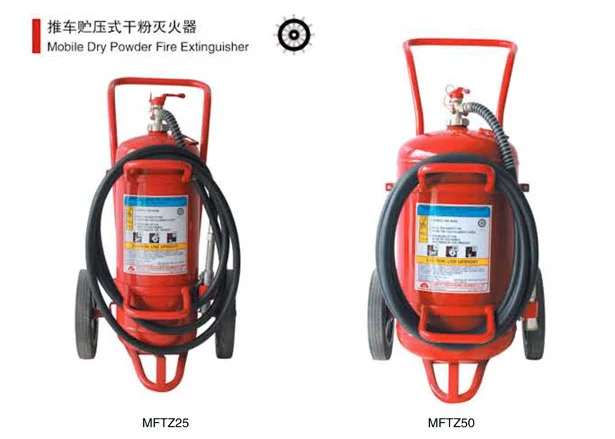
Portable fire extinguishers are among the most widely used types of marine fire fighting equipment. They provide a fast and effective response to small fires before they spread to other areas of the vessel. Several types of extinguishers are commonly carried on ships, including:
CO₂ fire extinguishers
Dry powder extinguishers
Foam extinguishers
Water-based extinguishers
Each type is designed for specific fire hazards. For example, CO₂ extinguishers are often used around electrical equipment, while foam extinguishers are suitable for flammable liquid fires. By placing extinguishers throughout the vessel, crew members can quickly access the appropriate equipment during an emergency. Regular inspections are necessary to ensure extinguishers remain fully charged and ready for use. Crew members are also trained to identify the correct extinguisher for different classes of fire. Quick access to portable extinguishers can significantly reduce fire damage, protect personnel, and prevent minor incidents from becoming major emergencies.
Fire hose and fire hydrant systems are essential components of marine fire fighting equipment for controlling larger fires. These systems are connected to the vessel's fire main and provide a continuous water supply when firefighting operations are required. Typical system components include:
Fire hydrants
Fire hoses
Fire nozzles
Couplings and fittings
Fire main pipelines
The combination of water pressure and adjustable nozzles allows crew members to direct water precisely where it is needed. Because of their effectiveness and reliability, fire hose systems are standard equipment on commercial vessels worldwide. These systems are designed to remain operational under demanding maritime conditions, including rough seas and extended voyages. Regular maintenance, pressure testing, and operational drills help ensure that hoses and hydrants function properly when needed. Well-maintained fire hose systems provide a powerful firefighting capability and remain one of the most dependable methods for controlling onboard fires.
Certain areas of a ship, such as engine rooms and machinery spaces, require specialized protection due to their higher fire risk. Fixed suppression systems are designed to automatically or remotely extinguish fires in these critical locations. Common examples of marine fire fighting equipment in this category include:
CO₂ fire suppression systems
Foam fire fighting systems
Water mist systems
Dry chemical systems
These systems can rapidly suppress fires while minimizing damage to equipment and reducing risks to personnel. In many cases, they provide protection in areas where manual firefighting would be difficult or dangerous. Different suppression technologies are selected according to the hazards present in specific areas of the vessel. Water mist systems, for example, are highly effective in machinery spaces because they cool surfaces while using relatively small amounts of water. Fixed suppression systems help reduce response times and provide continuous protection, making them an essential part of modern shipboard fire safety strategies.
Protective equipment is another important part of marine fire fighting equipment. Crew members responsible for emergency response must be properly equipped before entering hazardous environments. A firefighter's outfit typically includes:
Fire-resistant protective clothing
Safety helmets
Firefighter gloves
Protective boots
Safety lamps
Firefighter axe
In addition, self-contained breathing apparatus (SCBA) provides a reliable source of breathable air in smoke-filled or oxygen-deficient spaces. This equipment allows firefighters to carry out rescue and firefighting operations safely while reducing exposure to harmful gases and smoke. Protective gear must be regularly inspected and maintained to ensure it performs effectively during emergencies. Properly fitted equipment improves mobility, comfort, and safety for firefighting personnel. Combined with training and emergency drills, firefighter protective equipment enables crews to respond confidently and efficiently when fire incidents occur.
Early fire detection is essential for preventing serious onboard incidents. Fire detection and alarm systems continuously monitor the vessel for signs of smoke, heat, or flames and provide immediate warnings when hazards are identified. Common detection equipment includes:
Smoke detectors
Heat detectors
Flame detectors
Manual call points
Fire alarm panels
When a fire is detected, the alarm system alerts crew members so that emergency procedures can begin without delay. Modern systems can also be integrated with suppression equipment to improve response times and enhance overall vessel safety. Advanced monitoring systems are capable of identifying the exact location of a fire, allowing emergency teams to respond more efficiently. Early warning not only protects lives but also reduces potential damage to cargo, equipment, and vessel structures. As ships become increasingly sophisticated, fire detection technology continues to play a vital role in comprehensive onboard fire protection programs.
Effective marine fire fighting equipment plays a vital role in protecting lives, vessels, and cargo at sea. Portable extinguishers, fire hose systems, suppression systems, firefighter protective gear, and fire detection devices all contribute to a comprehensive fire protection strategy. Matchau provides reliable marine fire fighting equipment solutions designed to support maritime safety, regulatory compliance, and emergency preparedness for vessels operating worldwide.