English
  Español
  português
  Ελλάδα
  Malay
Malay  Nederland

May 13, 2025

Fire safety is one of the most important concerns in modern maritime operations. Ships operate in complex environments where engine systems, fuel storage areas and electrical equipment can create potential fire hazards. Unlike land-based facilities, vessels have limited emergency support when operating at sea, making onboard protection systems essential.
Reliable boat fire fighting equipment helps ship operators detect, control and respond to fire emergencies before they cause serious damage. From cargo ships and offshore platforms to passenger vessels, properly selected firefighting solutions support crew safety, protect valuable assets and help vessels comply with international maritime safety requirements.
For ship owners, operators and marine safety managers, understanding the types of firefighting equipment required onboard is an important step toward improving vessel safety.
Ships face different fire risks compared with ordinary buildings. The combination of fuel systems, heavy machinery and electrical equipment creates multiple sources of potential ignition. Engine room fires are among the most common onboard hazards because machinery areas contain fuel, high temperatures and complex operating systems. Electrical fires can also occur due to damaged wiring, overloaded circuits or equipment failures, while fuel-related fires may happen in areas where flammable liquids are stored or transferred.
These risks require specialized protection because marine environments create additional challenges. High humidity, saltwater exposure and continuous vibration can affect equipment performance over time.
According to IMO safety requirements, vessels must be equipped with effective fire prevention and firefighting systems. Selecting suitable boat fire fighting equipment is therefore essential for reducing emergency response time and improving onboard safety.
Unlike standard firefighting products used in buildings, marine systems need stronger durability, corrosion resistance and reliability to operate under harsh sea conditions.
A complete fire protection system combines different types of equipment to detect, control and extinguish fires. The right combination depends on vessel type, size and operating environment.
Marine fire fighting equipment commonly includes:
Fire extinguishers for initial fire response
Fire hoses and hydrants for larger firefighting operations
Fire detection and alarm systems for early warning
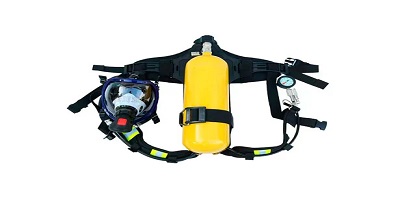
Fire suits and breathing equipment for crew protection
Emergency firefighting accessories and tools
Fire detection systems are especially important because early identification allows crew members to take action before flames spread to other areas. Fire extinguishing equipment provides immediate response capability in critical locations such as engine rooms, machinery spaces and storage areas.
For different vessels, the configuration of ship fire fighting equipment may vary. Offshore platforms, tankers and commercial vessels often require different solutions based on their specific operational risks and regulatory requirements.
Working with an experienced supplier helps ship operators select suitable equipment combinations while ensuring compliance with marine safety standards.
Although both marine and standard firefighting systems are designed to control fire risks, their applications and performance requirements are different.
| Comparison | Marine Fire Fighting Equipment | Standard Fire Equipment |
|---|---|---|
| Environment | Saltwater and harsh marine conditions | Buildings and land facilities |
| Regulations | SOLAS/IMO requirements | Local fire codes |
| Durability | Corrosion-resistant materials | General materials |
| Application | Ships and offshore facilities | Buildings |
The biggest difference is the operating environment. Marine systems must continue functioning despite exposure to seawater, humidity and constant vessel movement.
In addition, fire fighting equipment ship applications must meet stricter safety expectations because equipment failure during an emergency can directly affect crew survival. Certified marine firefighting products provide better reliability and help vessels maintain compliance with international requirements.
Choosing the correct firefighting solution requires careful evaluation of vessel conditions and safety requirements. Different ships have different layouts, operational risks and protection needs.
Important factors include:
The equipment configuration should match the vessel design. Cargo ships, tankers, passenger vessels and offshore facilities may require different firefighting arrangements.
Areas such as engine rooms, fuel compartments and electrical spaces usually require additional protection because they contain higher-risk fire sources.
Marine firefighting products should comply with relevant regulations, including SOLAS and IMO standards. Certified equipment improves safety reliability and supports vessel inspection requirements.
Durable materials, stable performance and proper technical support are important when selecting boat fire fighting equipment for long-term marine applications.
A professional supplier can help customers evaluate vessel requirements and choose suitable firefighting systems for different operating conditions.
Even high-quality firefighting systems require regular maintenance to remain effective. Proper inspection ensures that equipment can perform correctly when emergencies occur.
Key maintenance practices include:
Regular inspection of equipment condition and installation status
Pressure testing for hoses and related systems
Replacement of damaged or expired components
Crew training and emergency response drills
Routine checks help identify problems before they become safety risks. Crew members should also understand how to operate firefighting equipment correctly through regular training.
Maintaining reliable marine fire fighting equipment not only improves emergency preparedness but also helps vessels meet safety management requirements throughout their service life.
Reliable firefighting solutions require professional knowledge, quality products and experience in marine applications. Matchau Safety supplies dependable marine safety equipment designed for commercial vessels, offshore platforms and maritime operations.
With strong quality control, industry experience and customized solutions, Matchau Safety helps customers select suitable fire protection products according to vessel type and operating conditions.
The company focuses on providing reliable boat fire fighting equipment and other marine safety solutions that support safer ship operations. For ship owners and operators looking for certified firefighting systems, choosing an experienced supplier can improve equipment reliability and long-term safety performance.
Ships mainly face engine room fires, electrical fires and fuel-related fire risks. These areas require reliable firefighting systems to reduce potential damage.
Yes. Many vessels must comply with SOLAS and IMO safety requirements to ensure proper fire prevention and emergency response capabilities.
Inspection frequency depends on equipment type and regulations. However, regular checks are essential to keep firefighting systems ready for emergency situations.
Marine equipment requires higher corrosion resistance, durability and reliability because vessels operate in harsh environments involving saltwater, humidity and vibration.
Yes. Equipment selection can be customized according to vessel type, operating conditions and specific safety requirements.
Certified equipment improves safety reliability, supports compliance with international standards and provides better protection during onboard emergencies.
.jpg "Optimizing Safety and Performance: Load Test Water Bags in Offshore Rig Operations")