English
  Español
  português
  Ελλάδα
  Malay
Malay  Nederland
Mar 06, 2026

Safety communication plays a vital role in ship operations. During emergencies, crew members need to quickly identify life-saving equipment, evacuation routes, and emergency systems. Since vessels often operate with international crews, standardized visual communication is essential for reducing confusion and improving response efficiency.
SOLAS symbols are internationally recognized marine safety markings developed according to the requirements of the International Convention for the Safety of Life at Sea (SOLAS). These symbols help identify emergency equipment and safety locations on ships, ensuring that crew members can quickly understand critical information regardless of language differences.
For ship owners, shipbuilders, and marine equipment suppliers, understanding the purpose and application of SOLAS-compliant signs is an important part of maintaining vessel safety and meeting international requirements.
SOLAS symbols are standardized safety signs used onboard ships to identify emergency equipment, escape routes, and safety-related areas. Unlike ordinary signs, they follow international maritime safety standards established by the International Maritime Organization (IMO).
In marine environments, clear identification is especially important because emergencies may occur under difficult conditions such as darkness, heavy weather, or limited visibility. Visual symbols allow crew members to recognize equipment locations quickly without relying only on written instructions.
These symbols are commonly used for:
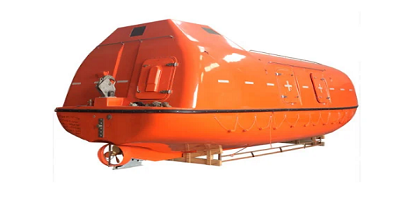
Life-saving equipment, including lifeboats, rescue boats, and life rafts
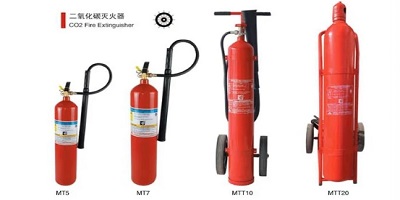
Fire protection systems and firefighting equipment
Emergency exits and escape routes
Muster stations and safety equipment storage areas
For example, a SOLAS life raft requires clear identification so that crew members can locate and operate it efficiently during evacuation. Proper markings ensure that essential safety equipment can be accessed when time is critical.
Marine vessels include many types of safety equipment, and each category requires clear identification. Standardized markings help crew members quickly understand the function and location of different devices.
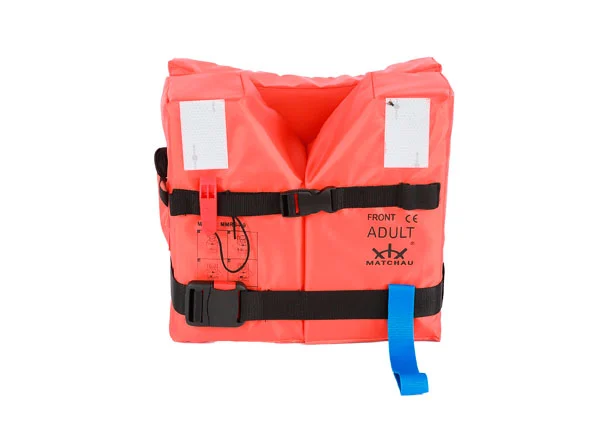
Life-saving equipment symbols are used for items such as life rafts, life jackets, and rescue equipment. These signs help crew members find survival equipment during emergency situations.
Fire safety symbols indicate the locations of fire extinguishers, fire hoses, alarms, and other firefighting systems. In the event of a fire, these markings reduce search time and improve emergency response.
Emergency route symbols guide passengers and crew toward exits, evacuation paths, and assembly areas. On large commercial or passenger vessels, these signs are especially important because they provide clear instructions for people unfamiliar with the ship layout.
Using proper marine safety signs and symbols helps create a safer onboard environment and supports effective emergency training.
Emergency situations at sea require fast decision-making. Smoke, poor lighting, noise, and stress can make verbal communication difficult, so visual safety signs become an important tool for guiding crew actions.
The biggest advantage of standardized symbols is that they provide immediate recognition. Crew members from different countries can understand internationally accepted markings without needing additional explanation.
SOLAS-compliant signs also support regular safety drills. By becoming familiar with equipment locations and emergency routes, crew members can respond more effectively when real incidents occur.
In addition, clear identification improves daily safety management. During inspections and maintenance checks, properly marked equipment is easier to locate and verify, helping operators maintain better control of onboard safety systems.
Although SOLAS symbols and general safety signs both provide visual guidance, their purposes and requirements are different. SOLAS symbols are designed specifically for international maritime operations, while general signs are often based on company policies or local requirements.
| Item | SOLAS Symbols | General Signs |
|---|---|---|
| Regulation | IMO/SOLAS based | Company based |
| Usage | Emergency equipment identification | General instructions |
| Application | International vessels | Various facilities |
The key difference is compliance. SOLAS markings must meet internationally recognized maritime requirements, making them suitable for commercial vessels operating across different regions.
General signs may be useful for operational reminders or facility instructions, but they cannot replace required safety markings for emergency equipment.
Selecting marine safety signs requires consideration of compliance, durability, and installation conditions. Some vessels may experience safety issues because of incorrect sign selection or poor maintenance.
Common mistakes include:
Choosing signs that do not meet marine safety requirements
Using materials that cannot withstand moisture, corrosion, or sunlight exposure
Installing symbols in locations that are difficult to see
Failing to replace damaged or outdated markings
Marine safety signs should be made from durable materials that maintain visibility throughout the vessel’s service life. Regular inspection is also necessary to ensure symbols remain clear and effective.
Selecting products from experienced marine safety suppliers helps ship operators maintain compliance and improve onboard safety management.
Reliable marine safety equipment is essential for commercial ships, offshore vessels, and other maritime applications. Matchau Safety provides professional marine safety solutions designed to support vessel protection and compliance.
The company supplies a range of marine products, including life-saving equipment, firefighting equipment, navigation safety products, and related accessories. By focusing on quality and reliability, Matchau Safety helps customers improve vessel safety and meet operational requirements.
For businesses searching for IMO safety symbols used on board ships and other marine safety products, choosing an experienced supplier can help ensure proper product selection and long-term performance.
SOLAS symbols are regulated through the International Maritime Organization (IMO) under the Safety of Life at Sea (SOLAS) convention.
Many commercial vessels covered by SOLAS requirements must use compliant safety markings for emergency equipment.
They are commonly installed near life-saving equipment, firefighting systems, emergency exits, and muster stations.
Yes. Existing vessels can replace damaged or unclear markings to improve safety communication and compliance.
Marine safety signs are usually made from durable materials that resist moisture, corrosion, and harsh marine conditions.
They help crew members quickly recognize equipment locations and understand emergency procedures during safety drills.