English
  Español
  português
  Ελλάδα
  Malay
Malay  Nederland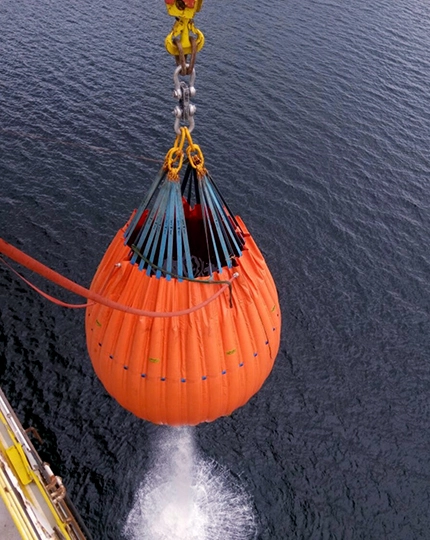

.jpg "Optimizing Safety and Performance: Load Test Water Bags in Offshore Rig Operations")
Feb 20, 2024

In modern lifting operations, safety and accuracy are two critical factors that determine whether crane systems can perform reliably. Incorrect load testing may result in equipment failure, safety accidents, and unexpected operational downtime, creating significant risks for industrial and marine operations. To avoid these problems, professional operators use a crane dynamometer to measure actual lifting loads and verify whether cranes can safely handle their designed capacity.
Unlike estimation-based testing methods, a crane dynamometer provides precise load measurement data during lifting operations. This makes it an essential tool for industries that require reliable crane inspections, including marine, offshore, and industrial lifting applications.
A crane dynamometer is designed to measure the force generated during crane lifting operations and provide accurate information about the actual load being applied. By monitoring lifting performance, operators can confirm whether equipment is functioning within safe operating limits.
For marine cranes and offshore lifting systems, accurate load measurement is especially important because these environments often involve challenging conditions, such as limited space, heavy loads, and changing weather factors. A reliable crane dynamometer helps improve inspection accuracy while reducing risks during lifting operations.
In industrial facilities, crane testing equipment also supports routine maintenance and safety management. By identifying potential load-related issues early, companies can prevent equipment damage and maintain more stable production processes.
Modern crane dynamometers combine advanced measurement technology with practical designs to improve testing efficiency. High measurement accuracy allows operators to obtain reliable load data, while real-time monitoring helps track changes during lifting procedures.
The portable design of many crane dynamometers makes them suitable for different testing locations. Whether used in shipyards, offshore platforms, or industrial sites, easy transportation and installation can reduce preparation time. Durable construction also allows the equipment to withstand demanding working environments.
The main features that make crane dynamometers effective include:
High-precision measurement for accurate load verification
Real-time monitoring and durable construction for safer testing operations
These advantages allow users to complete crane inspections more efficiently while maintaining higher safety standards.
Compared with traditional testing methods that often depend on manual calculations or fixed test weights, a crane dynamometer provides faster and more accurate measurement results. Digital load data improves testing reliability and makes inspection records easier to manage.
| Feature | Crane Dynamometer | Traditional Testing |
|---|---|---|
| Accuracy | Digital measurement | Manual estimation |
| Operation | Faster testing process | More complex procedures |
| Data recording | Available for analysis | Limited records |
| Safety | Reduced handling risk | Higher operational risk |
Traditional methods may require more manpower and additional preparation, especially when testing heavy lifting equipment. A crane dynamometer simplifies the process by providing direct measurement results and reducing unnecessary testing challenges.
Selecting suitable crane testing equipment requires consideration of several factors. Maximum load capacity is one of the most important aspects because the equipment must match the crane’s rated lifting range. Accuracy requirements should also be evaluated according to the application and industry standards.
The working environment is another key factor. Equipment used for offshore or marine operations needs strong resistance against moisture, corrosion, and harsh conditions. Certification is also essential to ensure the testing solution meets relevant safety requirements.
When choosing a crane load test dynamometer, users should consider:
Load capacity, accuracy range, environmental conditions, and certification requirements
Long-term reliability and suitability for specific lifting applications
A properly selected testing solution can improve inspection efficiency and provide more dependable safety verification.
Besides accurate load measurement devices, water-based testing solutions have become widely used in modern crane inspections. A crane testing bag provides a flexible way to create test loads without transporting heavy solid weights.
One major advantage of water bags is easy transportation. When empty, they are lightweight and require less storage space, making them suitable for offshore projects and locations where logistics are challenging. Their flexible capacity adjustment also allows operators to create different test loads according to crane requirements.
Compared with traditional test weights, crane test water bags reduce site preparation requirements and improve testing flexibility. They are commonly used together with crane dynamometers to provide a complete load testing solution with accurate measurement and convenient operation.
Choosing dependable testing equipment is essential for improving crane safety and operational reliability. Matchau Safety provides professional marine and industrial safety equipment designed to support accurate load testing and efficient inspection procedures.
With reliable solutions for demanding lifting environments, Matchau Safety helps customers improve testing accuracy and maintain safer operations. From precise measurement tools like a crane dynamometer to flexible load testing solutions, professional equipment plays an important role in preventing risks and supporting long-term equipment performance.
A crane dynamometer measures lifting loads to ensure crane equipment operates safely within its rated capacity.
High-quality digital crane dynamometers provide precise load measurement for professional testing and inspection applications.
Yes. Many models are designed for industrial and marine environments with durable construction for outdoor use.
Marine, offshore, construction, and manufacturing industries commonly use crane testing equipment for safety verification.
Water bags reduce transportation difficulties and provide flexible load adjustment, making crane testing more convenient.
Testing frequency depends on regulations, equipment usage, and operating conditions. Regular inspections help maintain safe crane performance.