English
  Español
  português
  Ελλάδα
  Malay
Malay  Nederland
May 13, 2025

Safe personnel transfer is one of the most important challenges in marine operations. When pilots or crew members move between vessels and ships, even a small equipment issue can create serious safety risks. A marine pilot ladder is not simply a rope ladder used for climbing; it is a critical marine safety device designed to provide a secure boarding solution under challenging conditions. Wind, waves, vessel movement, and incorrect installation can all increase the difficulty of pilot transfer operations.
For ship owners and operators, choosing a properly designed pilot ladder with reliable materials and compliance certification is essential. High-quality marine equipment helps reduce transfer risks and supports safer vessel operations.
Pilot transfer operations often take place in complex marine environments where weather conditions and vessel movement can directly affect safety. Strong waves, changing wind speeds, and differences in vessel height may increase the difficulty of boarding or leaving a ship.
A marine pilot ladder must provide stable support while allowing pilots and crew members to transfer safely. Unlike ordinary ladders, it is designed according to strict maritime requirements and must withstand repeated exposure to harsh marine conditions.
Incorrect installation is another factor that can affect safety. Poor positioning, unsuitable securing methods, or improper maintenance may reduce ladder stability and increase operational risks. Therefore, a reliable pilot ladder should always be considered as part of a complete marine safety system rather than a simple access tool.
The safety performance of a pilot ladder depends largely on its design, material quality, and construction. Since the equipment is exposed to saltwater, humidity, and changing weather conditions, durability is a key requirement.
High-strength ropes provide the necessary load-bearing capability, while anti-slip steps improve footing security during transfer operations. Durable construction and weather-resistant materials also help extend service life and maintain performance in demanding environments.
A rope ladder marine solution designed for professional vessel operations should include:
Strong ropes and secure step connections
Slip-resistant steps and resistance to marine environmental conditions
These features help ensure that the ladder remains stable and reliable during frequent use. For commercial vessels, selecting equipment built specifically for marine applications is essential for maintaining safety standards.
Although marine pilot ladders and standard rope ladders may look similar, they are designed for completely different applications. Standard rope ladders are generally used for temporary access, while marine pilot ladders must meet stricter requirements for ship boarding operations.
| Feature | Marine Pilot Ladder | Standard Rope Ladder |
|---|---|---|
| Safety Standard | Marine regulations | General use |
| Material | Marine-grade materials | Basic materials |
| Application | Ship boarding | Temporary access |
| Durability | High resistance | Limited outdoor use |
A marine pilot ladder is manufactured with stronger materials and more precise safety considerations to handle vessel transfer conditions. This difference makes it a necessary part of professional maritime operations rather than a general climbing solution.
Selecting the correct pilot ladder requires consideration of vessel conditions, operational requirements, and safety standards. The ladder length should match the vessel design and expected transfer distance to ensure proper positioning during use.
Material quality is another important factor because marine environments can quickly affect low-quality products. Certification and compliance should also be checked to ensure the equipment meets applicable maritime requirements.
When choosing marine safety products, vessel operators should evaluate:
Vessel type, ladder dimensions, and material durability
Certification, supplier experience, and long-term product reliability
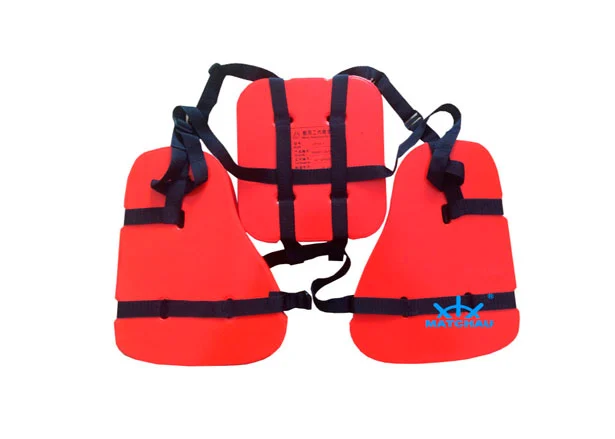
As an essential part of life saving equipment, a properly selected pilot ladder contributes to safer vessel operations and helps protect personnel during transfer procedures.
Regular inspection is necessary to maintain pilot ladder performance. Even high-quality equipment may experience wear after repeated use, especially in environments exposed to seawater and harsh weather.
Operators should regularly check rope conditions, inspect steps for damage, and replace worn components when necessary. Following scheduled inspection procedures helps identify potential problems before they affect safety.
Proper maintenance practices include checking rope strength, ensuring steps remain secure, and confirming that all parts continue to meet operational requirements. These simple procedures can significantly improve equipment reliability and reduce safety risks.
Compliance plays an important role in marine equipment selection. Pilot transfer operations are regulated because they directly affect the safety of pilots and crew members. Ship operators must ensure that equipment meets relevant maritime requirements and that safety procedures are properly followed.
In addition to pilot ladders, vessels rely on various safety systems, including marine safety signs and symbols, emergency equipment, and other identification tools. Clear safety markings help crew members quickly recognize equipment locations and respond effectively during emergencies.
Choosing compliant marine equipment from an experienced supplier helps ship operators maintain safer working environments and improve overall operational reliability.
Reliable marine equipment is essential for protecting personnel and supporting efficient vessel operations. Matchau Safety provides professional marine safety equipment designed for commercial vessels, offshore operations, and global maritime applications.
With a focus on quality assurance, practical solutions, and international safety standards, Matchau Safety helps customers select dependable products for different marine requirements. From pilot transfer equipment to complete safety systems, choosing the right supplier is an important step toward improving vessel safety and compliance.
A well-designed marine pilot ladder combines strong materials, reliable construction, and proper compliance to provide safer transfer operations in demanding maritime environments.
Marine pilot ladders provide a safe boarding solution for pilots and crew members when transferring between ships, vessels, or offshore platforms. They are designed specifically for marine transfer operations.
Most marine pilot ladders use high-strength ropes and durable wooden or composite steps. These materials are selected to provide strength, stability, and resistance to marine conditions.
Inspection frequency depends on vessel operation requirements and applicable safety procedures. Regular checks should be performed before use to confirm that the ladder remains safe and reliable.
Yes. Commercial vessels must follow applicable maritime safety regulations for pilot transfer equipment. Compliance helps ensure safer operations and reduces transfer-related risks.
Marine pilot ladders are specifically designed for ship operations and must meet higher safety requirements. They use stronger materials, improved construction methods, and follow maritime standards.
Yes. Pilot ladders can be supplied in different lengths, materials, and configurations according to vessel requirements and operational conditions.