English
  Español
  português
  Ελλάδα
  Malay
Malay  Nederland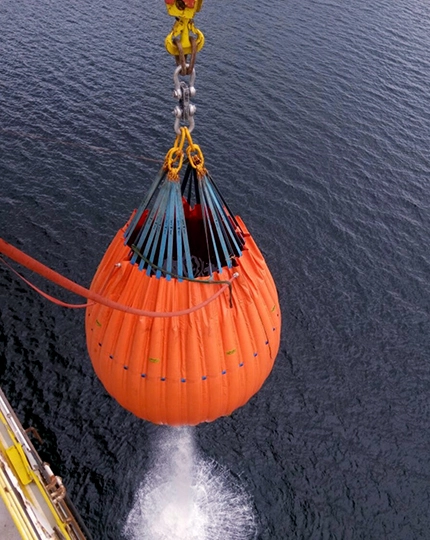
Apr 09, 2025

When a maritime emergency occurs, a reliable evacuation system can determine whether crew members are able to leave a vessel safely. The lifeboat release system is one of the most important safety components on commercial ships, as it ensures survival equipment can be deployed quickly when accidents happen. However, the effectiveness of this system depends on the proper operation of many hidden components. Among them, the lifeboat hydrostatic release unit plays a key role in supporting automatic emergency deployment.
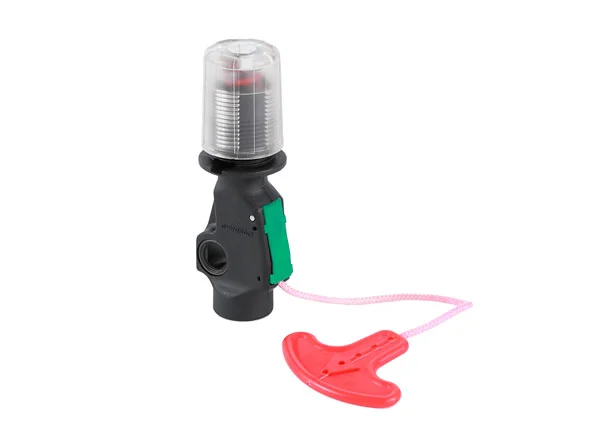
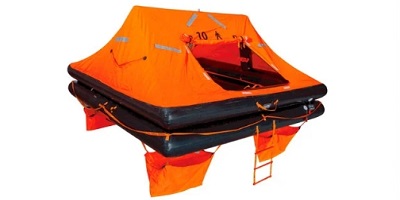
As an essential part of marine life saving equipment, a hydrostatic release unit helps release lifeboats or life rafts when a vessel sinks below a specific water level. By reducing dependence on manual operation, it improves evacuation efficiency and provides additional protection for crews during critical situations.
A hydrostatic release unit (HRU) is a safety device designed to automatically release a lifeboat or life raft when a vessel becomes submerged. During normal operation, the unit keeps the survival equipment securely connected to the vessel. When water pressure reaches the activation level, the HRU detects the pressure change and activates the release mechanism.
The main working process includes:
Detecting water pressure changes when a vessel sinks
Automatically releasing survival equipment to support emergency evacuation
This automatic function is particularly valuable because emergency situations may prevent crew members from manually operating release systems. A reliable lifeboat hydrostatic release unit helps ensure that survival equipment remains available even under extreme conditions.
For commercial vessels, offshore platforms, and marine operations, hydrostatic release technology provides an additional layer of safety by improving the reliability of emergency response systems.
Although lifeboat release systems are designed for long-term operation, regular inspection is necessary to maintain their reliability. Marine environments expose equipment to saltwater, humidity, and temperature changes, which can gradually affect components.
Common factors that may reduce system performance include corrosion, aging parts, and incorrect installation. Corrosion can weaken mechanical structures, while aging materials may affect release accuracy. Improper installation can also prevent the system from functioning correctly during emergencies.
Regular inspection allows operators to identify potential problems before they become safety hazards. For ship owners and operators, maintaining release systems is an important part of meeting safety requirements and protecting crew members.
A complete lifeboat safety system includes multiple components that work together to improve emergency preparedness. Each type of equipment serves a different purpose, from automatic release to survival support and performance verification.
| Equipment | Function | Importance |
|---|---|---|
| Hydrostatic Release Unit | Automatic release | Emergency deployment |
| First Aid Kit | Medical support | Crew survival |
| Lifeboat Load Test | Safety verification | Equipment reliability |
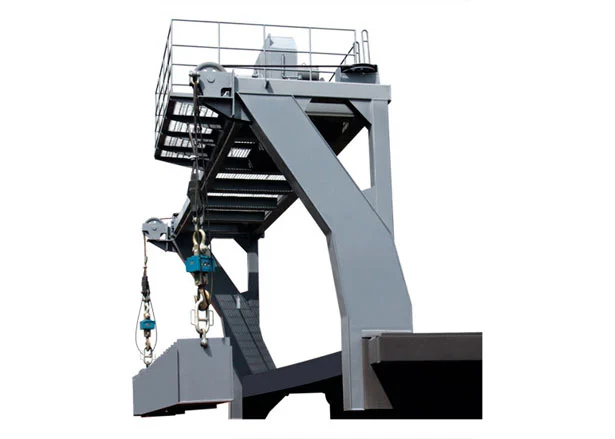
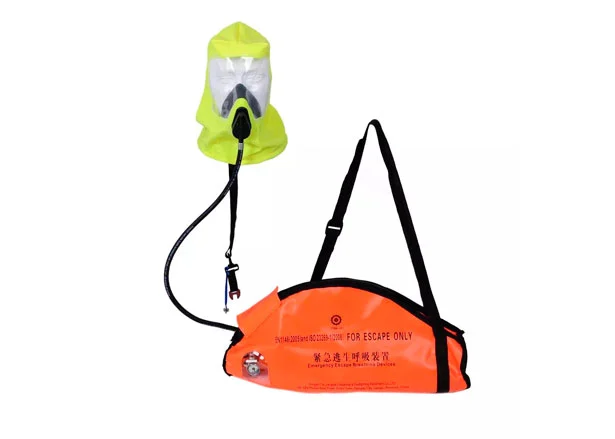
A lifeboat first aid kit provides essential medical support after evacuation, while a lifeboat load test ensures that the lifeboat can safely handle its designed capacity. Together with release systems, these components create a more complete marine safety solution.
Selecting suitable marine safety equipment requires attention to product quality, compliance, and compatibility. Certification is one of the most important considerations because safety equipment must meet strict maritime requirements to provide reliable performance.
Material quality also affects durability, especially in marine environments where equipment is continuously exposed to moisture and saltwater. Compatibility with existing lifeboat systems ensures smooth installation and proper operation.
Important factors to consider include:
Certification and compliance with marine safety standards
Material durability, compatibility, and expected service life
Choosing reliable safety equipment helps reduce maintenance problems and ensures emergency systems remain ready when required.
Even advanced marine safety systems can experience performance issues when maintenance procedures are neglected. One common mistake is ignoring inspection schedules, which may allow minor issues to develop into serious failures.
Another problem is using unsuitable replacement parts. Components that do not match original specifications may affect system reliability and reduce safety performance. In addition, insufficient crew training may prevent operators from responding effectively during emergencies.
Proper maintenance should include regular inspections, correct replacement procedures, and crew training. These practices help extend equipment service life and improve overall lifeboat reliability.
Reliable marine safety equipment is essential for protecting crew members and improving emergency response capabilities. Matchau Safety provides dependable marine safety solutions, including lifeboat-related products designed for commercial vessels and professional maritime applications.
By focusing on safety performance and operational reliability, Matchau Safety helps customers maintain effective emergency systems. From hydrostatic release devices to other essential life saving equipment, selecting certified and reliable products is a key step toward safer maritime operations.
A properly maintained lifeboat hydrostatic release unit may remain unnoticed during daily vessel operations, but it becomes a critical safety mechanism when an emergency occurs.
A hydrostatic release unit automatically releases safety equipment such as lifeboats or life rafts when a vessel sinks and reaches a specific water depth. It helps ensure survival equipment can be deployed even when manual operation is not possible.
The service life of an HRU depends on product design, environmental conditions, and manufacturer requirements. Regular inspection and timely replacement help maintain reliable performance.
Lifeboat testing verifies that equipment functions correctly during emergencies. Procedures such as load testing help confirm that lifeboats can safely support their intended capacity.
Lifeboat safety systems may include hydrostatic release units, emergency supplies, first aid equipment, and testing equipment used to verify operational reliability.
Many commercial vessels require hydrostatic release units according to international maritime safety regulations. They are an important part of modern emergency evacuation systems.
Regular inspections, certified equipment replacement, and proper crew training are essential for maintaining reliable lifeboat performance and improving emergency preparedness.
.jpg "Load Test Water Bags for Heavy Equipment Lifting in Construction")